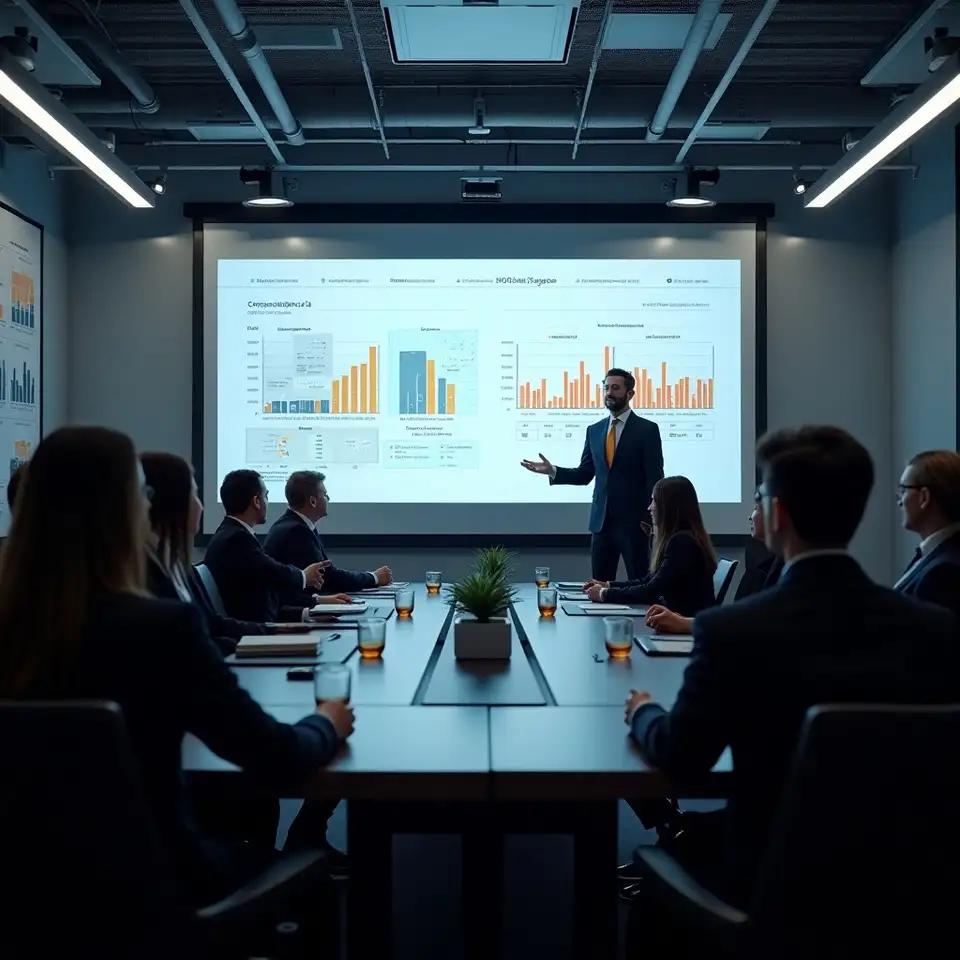
Presenter walking board members through an industrial finance story with visuals

Why internal stories matter

A calm, three part frame for explaining industrial finance decisions so boards and frontline teams hear the same story, from different angles.

Our team sees internal finance narratives as working tools, not theatre. A good story helps a plant manager explain a project to crews, and helps a director explain the same project to a risk committee. In this section, we describe a simple frame for building those stories. Start with why the decision matters now. Name what will feel different on site. Then acknowledge what might not go as planned. We call this the Why, Feel, and If Not frame. It keeps conversations grounded in lived experience, while still respecting the financial and compliance context Canadian enterprises face.
See context

Building a shared storyline

Origin note

Every industrial decision begins with a reason that feels urgent to someone. A failing asset, a new contract, a safety concern. Our team suggests capturing that spark in two or three plain sentences. Who raised it. What they saw. Why it could not wait. This origin note anchors the later story, reminding leaders that behind every number sits a specific moment on a site or in a control room.

Core path

Next comes the core path. Here you outline, in simple language, what the organisation plans to do and how it expects operations, people, and reporting to change. Our team keeps this to one short paragraph, plus a few clear bullet points. The path should be understandable to someone who has never seen the project before but knows your business well.


Plant manager explaining a finance related project story to frontline crews
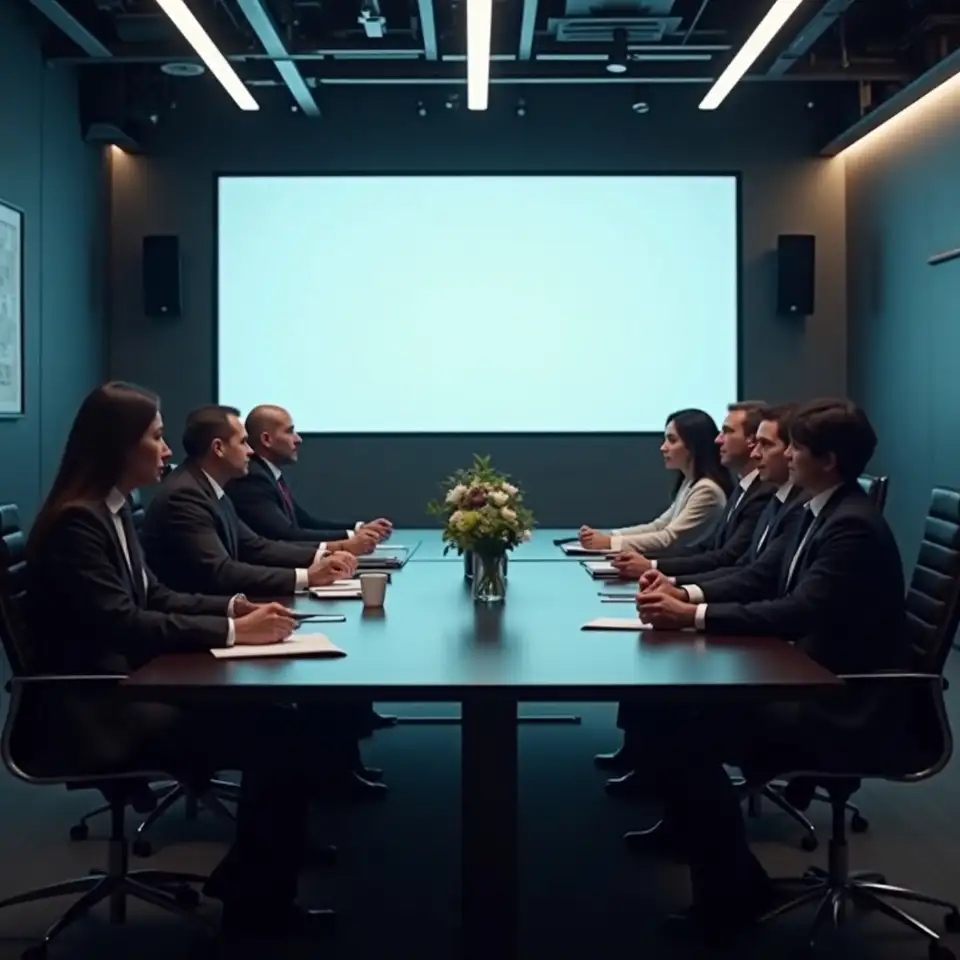
Board members reviewing a concise written narrative about an industrial project

Shadow path

Then we address the shadow path. What happens if things move slower, cost more, or deliver benefits later than hoped. We avoid drama. Instead, we write a calm description of how the organisation expects to respond. Pause some work. Reprioritise maintenance. Revisit supplier talks. This makes downside thinking part of the story, not an afterthought.

Commitments

Finally, we close with commitments. Not promises about outcomes, but commitments about behaviour. How often the team will report. Which indicators it will watch. When it will return to the board or committee for a review. These commitments give people a clear sense of how the story will be told over time, even if the plot shifts.


Tools for consistent communication

Story Scan

Our team often starts with a Story Scan. We collect how the same project is described in different places. A maintenance ticket. A budget note. A leadership email. A board slide. Then we read them side by side. Differences appear quickly. Some are harmless. Others change expectations in ways that can create strain later. The Story Scan is a quiet way to surface these gaps before they turn into mistrust.

Cross functional team mapping an industrial project story on a wall with notes
Manager listening as a colleague retells the project story after a meeting

One Page Story

Next, we introduce the One Page Story. This is a single sheet that captures the origin, core path, shadow path, and commitments in plain language. It does not replace detailed analysis. It sits on top of it. The One Page Story becomes the reference point for everyone who needs to talk about the project, from supervisors to committee chairs.

Aligned voice

Then we look at voice. Our team encourages leaders to keep the same tone across channels. Calm. Direct. Honest about uncertainty. If a board pack sounds confident but plant messages sound anxious, people notice. We help organisations align language so that each audience hears the same balance of ambition and caution.

Quiet Retell

Finally, we suggest a small practice we call the Quiet Retell. After a key meeting, ask someone who was not in the room to explain the project based on what they have heard. Their version often reveals which parts of the story landed and which were lost. Over time, these small checks make your narratives sharper and more trustworthy.

What clear narratives look like day to day

These scenes show how internal finance narratives live across boardrooms, control rooms, and plant floors, turning complex industrial decisions into stories people can recognise in their own work.
Finance and operations leaders sharing an industrial project narrative in a Canadian boardroom
Perspective

Telling the internal story

Yesterday, industrial finance lived in dense slide decks few people read. Today, risk aware Canadian enterprises need clear stories that boards, auditors, and frontline teams can all follow. On this page, our team focuses on how to turn complex capital decisions into short, honest narratives. We write as observers who have watched projects rise, stall, and change direction under scrutiny. We pay attention to what people remember, not just what gets filed. Our aim is simple. Help your organisation speak about industrial finance choices in ways that feel consistent, accountable, and human across every level.
We start from a quiet assumption. Every number sits inside a story, whether you name it or not. Our team prefers to name it. We trace how a single industrial decision is described in plant meetings, in finance memos, and in board packs, then we look for gaps. Where language shifts, trust can slip. Here we outline simple ways to build a shared narrative for Canadian industrial projects, updated for 2026. No slogans. No promises. Just structured explanations that acknowledge trade offs and limits while still giving people enough clarity to do their work.

How our narrative tools fit your governance

Chaptered view of decisions

We encourage organisations to treat every major industrial decision as a story with chapters. Origin, choice, impact, review. By naming these chapters explicitly, leaders can return to them over time, checking whether the lived reality still matches the story being told in meetings and reports.

Language that travels well

Our team focuses on language that non specialists can repeat accurately. If a plant supervisor cannot retell the board version of a project without distortion, the narrative is too complex. We help simplify wording until it travels reliably across levels without losing essential nuance.

Commitments to ongoing updates

We promote short, written commitments about how stories will be updated. Regular briefings, clear indicators, and agreed review dates. These commitments do not promise specific results. They promise continued attention, which often matters more for trust inside industrial organisations.

Connecting analysis and governance

Our narrative work sits alongside your existing financial analysis and governance, not above it. We do not replace models, audits, or policies. We simply help connect them through a shared storyline, so different documents and meetings feel like parts of one coherent conversation.

Why internal narratives shape industrial finance

Our team treats internal finance narratives as quiet infrastructure. When they are clear and consistent, projects move with less friction and more trust. When they are fragmented, even good decisions can feel unstable. Here we share tools and framing that suit cautious, compliance minded leaders in Canadian industrial enterprises, updated for 2026.

Investigative reading of project stories

Our team approaches industrial finance narratives like investigative reporting. We trace how a decision is described from the first plant conversation to the final board note. Along the way, we highlight where wording quietly changes expectations. This lens helps Canadian enterprises reduce confusion and support more consistent oversight without adding heavy process.

Lightweight tools for busy teams

We design narrative tools such as the Origin Note, One Page Story, and Quiet Retell to fit into meetings you already hold. Supervisors can use them in toolbox talks. Executives can use them in committee briefings. The methods are light, repeatable, and respectful of limited time, making them easier to sustain.

Stories grounded in daily work

Our focus stays on people and operations. We connect finance language to how work actually feels on site, in control rooms, and in offices. By naming likely changes to workload, reporting, and risk oversight, we help leaders explain decisions in ways staff can recognise from daily experience.

Written for Canadian oversight context

Canadian industrial enterprises operate within specific regulatory and community expectations. We acknowledge this context openly. While we do not offer legal or accounting advice, we frame narratives so that compliance, audit, and external stakeholders can follow the reasoning behind major decisions more easily.

Calm tone, clear trade offs

Our stance is deliberately calm. We do not promise outcomes or dramatic turnarounds. Instead, we emphasise clear trade offs, documented reasoning, and realistic limits. This helps boards and risk committees stay focused on what they can influence, rather than on hopeful projections alone.

Multi perspective narrative support

Behind this approach is a small team used to working with finance, operations, and risk leaders at the same table. Roles span analysis, operations review, and governance support. We draw on that mix when we suggest language and formats that different groups can all live with over the life of a project.